

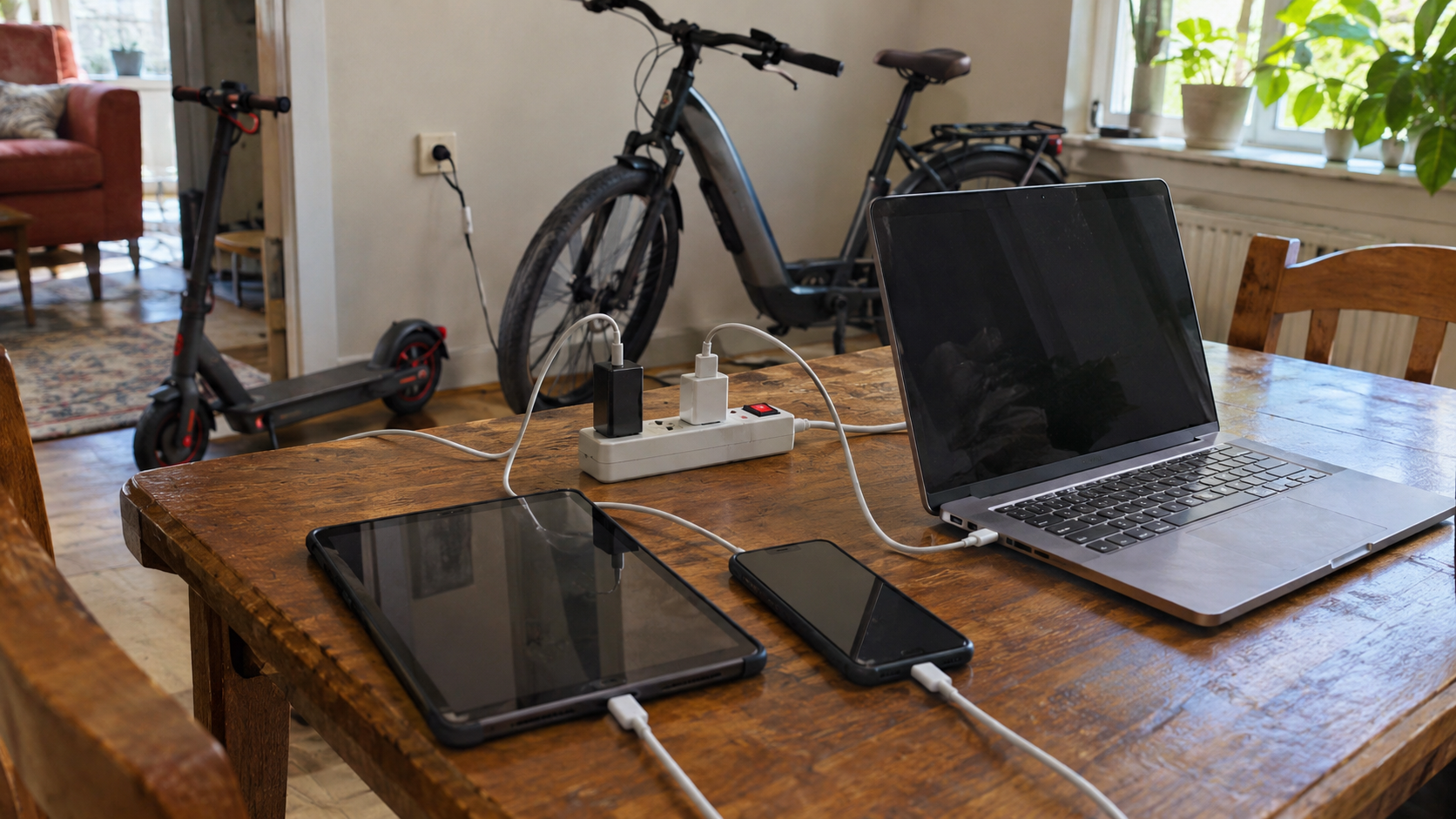
 SACRAMENTO, CA (MPG) – As rechargeable batteries become common in household electronics, power tools and electric transportation, CAL FIRE is reminding Californians that improper charging and damaged batteries can pose serious fire risks.
Lithium-ion batteries power everyday devices, including cellphones, tablets, laptops, toys, e-bikes and scooters. Although convenient, these batteries store considerable energy in a small space and can overheat, catch fire or explode if damaged or charged improperly.
CAL FIRE and the National Fire Protection Association highlighted these risks during Fire Prevention Week, Oct. 4-10, but officials say safe charging practices remain important year-round.
“The way you charge your lithium-ion battery devices can make a difference in helping prevent home fires,” said California State Fire Marshal Daniel Berlant. “By making safe charging a daily habit, we can all help prevent fires and protect our homes, families, and communities.”
Fire officials recommend using only the charging cord and equipment supplied with a device or approved by its manufacturer. Incompatible chargers can damage batteries and increase the likelihood of overheating.
Where a device charges also matters. CAL FIRE recommends placing electronics on hard, flat surfaces, such as tables or desks, rather than beds, couches or pillows. Soft materials can trap heat and restrict airflow around batteries and charging equipment.
Consumers should also watch for signs of battery failure, including excessive heat, swelling, smoke or unusual odors. Anyone noticing these warning signs should stop using the affected device.
Officials also recommend unplugging electronics once they reach a full charge rather than leaving them connected longer than necessary.
Larger battery-powered equipment, including e-bikes, scooters and power tools, requires additional precautions. CAL FIRE advises charging these devices outside and away from exits because their larger batteries store more energy and can produce fires that spread rapidly.
Air travelers should keep charging devices within sight and avoid charging electronics inside overhead compartments. Officials also warn against charging electronic cigarettes or vaping devices aboard aircraft so flight crews can respond quickly if a battery overheats.
Beyond public education, the CAL FIRE Office of the State Fire Marshal is working to strengthen battery safety regulations and improve emergency response procedures.
The agency recently established a Battery Energy Storage Systems Workgroup, bringing together specialists to examine emerging hazards, recommend safety practices and improve firefighter training.
The workgroup also aims to address risks associated with battery storage systems in homes, businesses and larger energy storage facilities.
CAL FIRE encourages residents to review their charging habits and inspect battery-powered devices for potential hazards.
Additional information about lithium-ion battery safety is available through the National Fire Protection Association at http://www.fpw.org.