

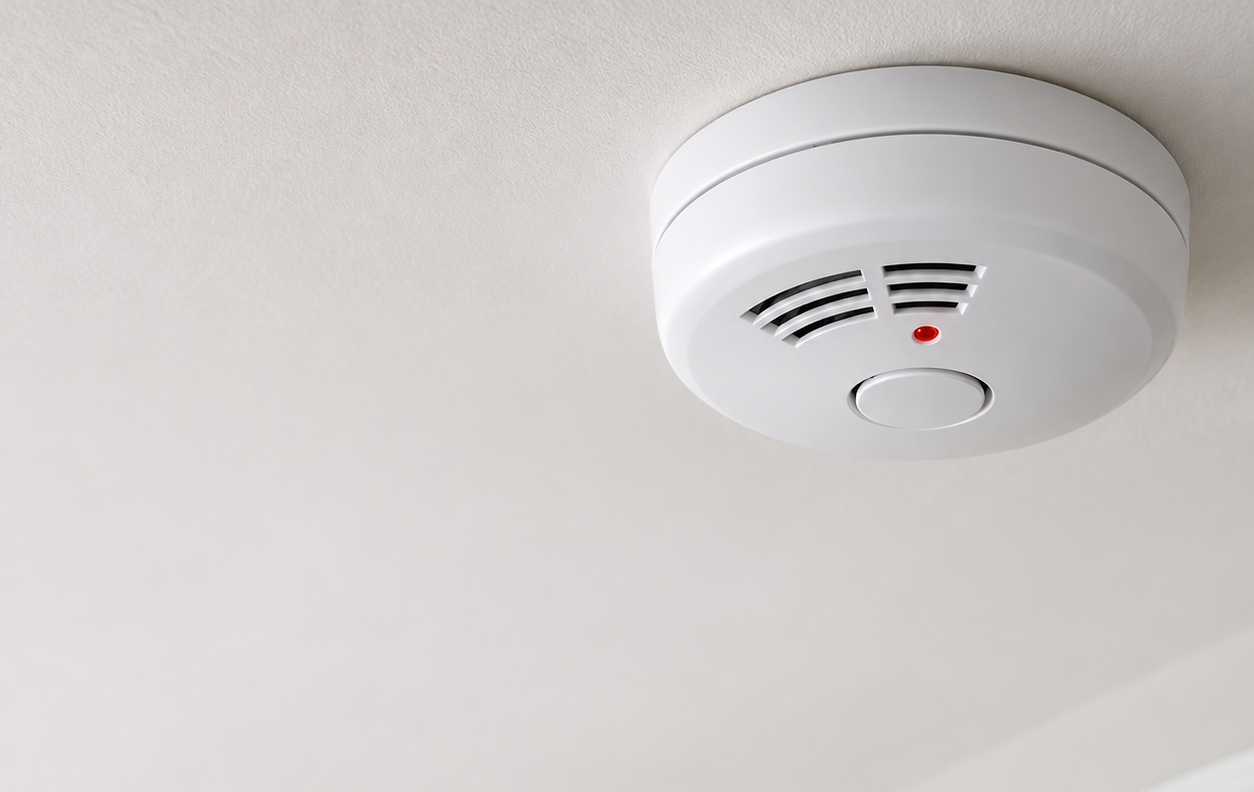
 SACRAMENTO, CA (MPG) – With daylight saving time ending Sunday, Nov. 1, fire safety officials are reminding residents to check their smoke alarms, replace batteries when needed and review their household fire escape plans.
The California State Firefighters’ Association (CSFA) encourages residents to use the twice-yearly clock changes as reminders to inspect smoke alarms and make sure they work properly.
According to the association, roughly two-thirds of home fire deaths occur in homes without working smoke alarms. Because many fatal fires occur at night, functioning alarms provide an important early warning that allows residents time to escape.
The association reports that adults 75 and older are 2.8 times more likely to die in a home fire. Working smoke alarms can double a person’s chances of surviving a house fire.
Fire safety officials recommend installing smoke alarms inside every bedroom, in hallways leading to sleeping areas and on every level of a home, including basements.
Residents should mount ceiling alarms at least 4 inches from the wall. Wall-mounted alarms should sit between 4 and 12 inches below the ceiling. Avoid placing alarms near windows, vents or other areas where drafts could interfere with their operation.
The association recommends testing smoke alarms monthly by pressing and holding the test button. Residents should also vacuum alarms at least once a year to remove dust and cobwebs that could affect their sensitivity.
Smoke alarms should never be painted and should be replaced every 10 years.
Residents should follow the manufacturer’s instructions for battery replacement. Alarms with replaceable batteries may require new batteries periodically, while models with sealed, 10-year batteries do not require battery changes during their service life.
Fire officials also encourage families to develop and practice a home escape plan that identifies exits and establishes an outdoor meeting place.
If a smoke alarm sounds during a fire, residents should crawl low beneath the smoke and leave immediately. They should not stop to collect belongings or return inside after escaping.
Once outside, family members should gather at their designated meeting place to account for everyone.
The association encourages households to practice fire drills regularly so family members know how to respond when an alarm sounds.