

COLUSA, CA (MPG) – As the Colusa Chamber of Commerce launches a new Cottage Business Membership Program aimed at helping home-based businesses grow, county officials are encouraging entrepreneurs to work with Environmental Health early in the process to avoid costly surprises.
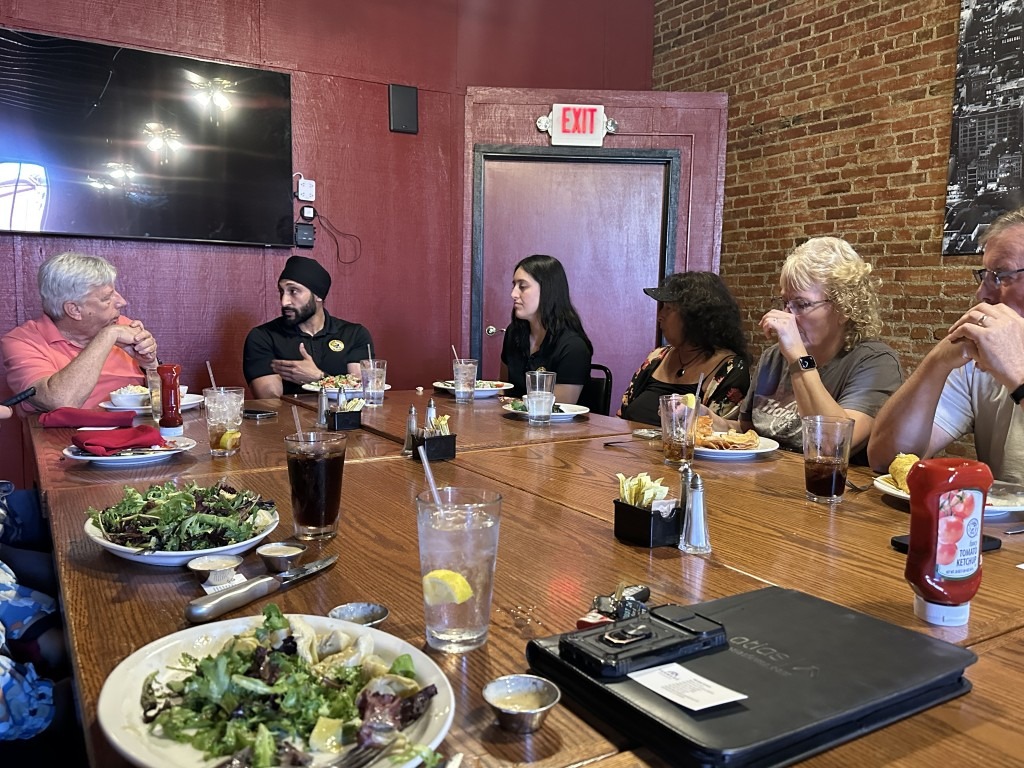
Environmental Health Manager Kuljeet Mundi addressed chamber members during their Thursday, July 23, Business Builders Luncheon, explaining that his department’s role extends far beyond restaurant inspections and is focused on helping businesses succeed while protecting public health.
“Food is just a very small part of what we do,” Mundi said.
Mundi added that the department oversees restaurant inspections, cottage food operations, wells, septic systems, hazardous materials, medical waste, swimming pools, hotels and landfills. Staff members also respond to hazardous material spills around the clock.
The presentation followed an announcement from Chamber Executive Director Jack Cunningham that the chamber has officially opened its Cottage Business Membership Program, an initiative designed to help home-based businesses transition into permanent storefronts.
“Our goal is to take home-based cottage businesses who want to grow and give them that assistance with technical support, exposure and marketing abilities,” Cunningham said. “We want to bring some of our members to brick-and-mortar businesses throughout the county.”
Businesses participating in the program must have the required permits, business licenses, insurance and other documentation. Cunningham said members also will participate in training sessions, chamber events and receive marketing support through the chamber.
Mundi encouraged prospective business owners to contact Environmental Health before signing a lease or beginning construction.
“When anybody buys a new facility or there’s a change of ownership, we always tell them, ‘Come to our office and let us do a walk-through,'” Mundi said. “We don’t want them to go in, put in the wrong flooring that they’ve got to rip out after. That’s money they could invest into their business to help it grow.”
He said older buildings often present the biggest challenges because they may not meet current health codes after a change in ownership.
“Our doors are open,” Mundi said. “If somebody has any questions, we’ll walk through the facility. We’ll tell them, ‘Here’s what you’ve got to do.’ If it fits in the budget, great. If it doesn’t, maybe we save them some time, headaches and money before getting into it.”
Cunningham said the chamber hopes to change the perception that regulatory agencies only create obstacles for new businesses.
“How can we as a chamber help present your department as a positive?” Cunningham asked.
Mundi responded that his staff works to build relationships with business owners while ensuring public health standards are met.
“We try to work with anyone as much as we can,” Mundi said. “Older buildings are a little bit challenging, so we do think outside the box. As long as we’re still within the regulations, we’re more than happy to help anybody.”
The discussion also turned to food trucks and unpermitted pop-up food vendors, an issue that local restaurant owners and officials have raised in recent years.
Supervisor Janice Bell said communities are trying to strike a balance between supporting entrepreneurs and protecting businesses that invest in permanent locations.
“It’s a challenge for the public because they want to support these businesses, but they also don’t want to take away from the brick-and-mortar businesses which follow the rules and pay their permits,” Bell said. “We want to find a balance.”
Mundi said the county inspects food trucks using many of the same standards as restaurants and works with property owners when unpermitted vendors appear.
“We’re not ignoring it,” Mundi said. “We are all well aware of it. We’re just trying to figure out the right way to approach things where it’s going to work.”
Cunningham said the chamber’s concern is not with food trucks themselves but with maintaining a level playing field for established businesses.
“We’re more concerned with preserving our brick-and-mortars,” Cunningham said. “California is the least-friendly place for a brick-and-mortar restaurant. Those margins weren’t there to start with.”
Mundi concluded by encouraging entrepreneurs to view Environmental Health as a resource rather than a barrier.
“We’re generalists,” he said. “We know a little bit about a lot. If you’re not sure about something, come talk to us.”
The Colusa County Environmental Health can be reached at 1213 Market St. in Colusa, or call (530) 458-0888. For more information on the Colusa County Cottage Business Membership, visit http://www.colusachamber.com, or call (530) 458-5525.