

COLUSA, CA (MPG) – It may be unnerving to know the government is tracking the public’s movement, but Colusa officials said such technology could be a useful tool for economic development.
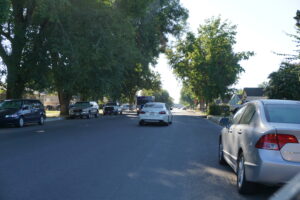
Colusa City Council last month approved a proposal from Placer AI to capture cell phone data to live-track movement – either in vehicles or on foot – to help them understand consumer behavior and make data-driven decisions about infrastructure development and road improvements.
City Manager Jesse Cain first briefed the City Council in October on using the location intelligence software to conduct traffic counts.
Not only will the program track movement through commercial districts along Bridge, Market, and Fremont streets, but the city will be able to track the frequency of foot traffic in and out of local stores, as well as the number of people who shop locally or travel outside Colusa to shop, Cain said.
“We will be able to track people coming into Colusa and where they are coming from and where they shop,” Cain said. “We will be able to tell how far out we are drawing from and how many people are staying here.”
The program, which costs $15,000 a year, would also help officials analyze the public’s use of city parks, as well as the use of city streets to bypass commercial districts.
The controversial removal of stop signs on Sioc Street last May has led to what residents said is a traffic nightmare, now that Google navigation software directs traffic not only to the shortest routes, but – as of April 2022 – to streets
with fewer traffic obstacles, such as traffic lights and stop signs.
Downtown business owners have also complained that the removal of the stop signs created what their original installation was supposed to stem: people bypassing local stores and coffee shops for quick access to and from the housing developments on the east side of town and Highway 20 and Interstate 5.
With the data, city officials said they will not only be able to understand and plan for traffic impacts from the decisions they make, but will be able to justify what roads are fixed and what roads are not, prioritize projects, use traffic analysis to attract new businesses and site selection, and measure attendance at community events, such as Christmas Tyme in Colusa and Concerts in the Park.
Cain said until he completed the demonstration of the Placer AI program, he did not realize how much “big brother” was watching the public’s every move.
“But they are watching and it’s all public information if we use it,” he said.
The City Council on Nov. 7 approved $15,000 for the first year of the program from the city’s allocation of American Rescue Plan Act for economic development.
If the program proves useful, the city will have the option to renew annually at $15,000 per year – the approximate cost of just one contracted traffic study, officials said.
“It sounds great and something that will really benefit the city,” said Councilwoman Denise Conrado. “The goal is to use this data, which is collected through this program, to entice businesses to come to Colusa.”