

Story by Susan Meeker
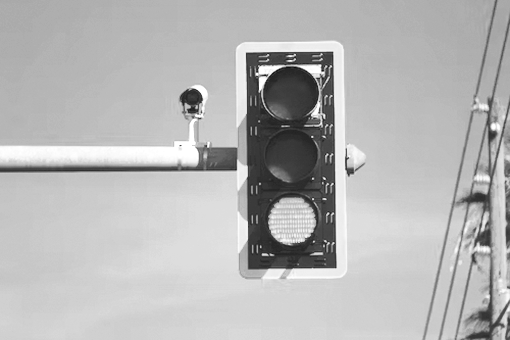
COLUSA, CA (MPG) – The Colusa City Council said it will decide mid-year on how to cover a shortfall in the amount the city allocated for its share of a new traffic signal and road realignment of Wescott Road at Highway 20, slated to be done with the construction of an Arco gas station and convenience store next year.
The City Council voted 4-1, with Mayor Greg Ponciano dissenting, to approve a new development agreement with Amar Chema, who has been working on the Town Center project since 2017.
The new development agreement will allow the City of Colusa to reduce its reimbursement obligation from $2.4 million to $1.2, a considerable savings, but the city would have to commit about $760,000 from the general fund or cannabis fund to cover what should have been collected as traffic impact fees from previous housing and commercial developers, officials said.
The city has just $446,000 in impact fees to put toward the traffic project, which includes realigning Wescott Road for a proposed Taco Bell on the west side of the highway. The proposed Arco fuel station will also include a convenience market and a Starbucks, officials said.
“We are going to save a lot of money by committing to this now,” said Councilwoman Denise Conrado.
City Manager Jesse Cain said the benefit to Chema to take the reduced amount now is that he can start construction as soon as possible now that the developer has met most of the hurdles with the state.
“It gets the Wescott Road realignment project started and gets it going and built…versus two or three years from now,” Cain said.
Chema said he hopes to break ground by January, weather permitting. The city would pay the $1.2 million incrementally during construction, which could be completed by the end of 2024 or early 2025.
“It’s not like we are going to write him a check tomorrow,” Cain said. “It’s a reimbursement.”
Cain said the sooner the project is done, the sooner the city will collect sales and property taxes from these currently vacant lots, located south of Round Table and just north of the new apartment complex currently under construction.
While the Planning Commission also supported the new developer agreement, they did not make any recommendation as to how the council will cover the difference between what they have and what they must pay.
The council may or may not choose to utilize Measure B funds, although the proposal of tapping into the revenue for at least $385,000 was not supported by the Tax Oversight Committee. The council may also consider utilizing some of its $1.4 million Cannabis Fund, which is specifically designated for road and street projects.
“This is exactly why we have these funds,” said Councilman Ryan Codorniz.
The city has only used about $150,000 of the fund, which is revenue from developer fees the city collects annually from local cannabis companies, in all the years the city has been collecting it, Cain said.
Officials said they do not have to decide until they review the budget, usually in December or early January, and have also not ruled out borrowing the money from another fund.
Cain said paying the reimbursement during construction would not only save the city more than $1 million on its share of a new traffic signal and road project but would also protect the city from owning more if costs increase on the project, which Chema has agreed to cover.
Ponciano was the lone dissent, opting for no general fund or cannabis money to be used. Instead, Ponciano said the city should reimburse the project only from developer fees, as intended, even if it meant the developer must wait for the full reimbursement as development in the city occurs. H