

MAXWELL, CA (MPG) – Maxwell residents were less exuberant about having a plan that will shape Maxwell during and after the construction of the Sites Reservoir as they were when they helped draft the document.
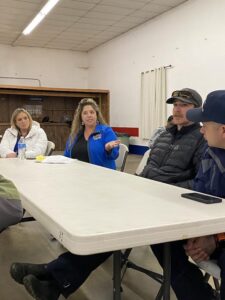
Residents and county officials discussed the Maxwell Community Plan at a community meeting at the American Legion Hall on Feb. 13.
Ben Ritchie, from DeNovo Planning Group, will include the final comments before presenting the plan to the Colusa County Board of Supervisors for possible adoption in April.
The Maxwell Community Plan addresses crucial issues, including the demand for temporary workforce housing during the Sites Reservoir construction. The plan also outlines both short-term and long-term economic strategies to ensure sustainable growth and development, traffic management, and efforts to preserve the unique character of Maxwell while accommodating new developments.
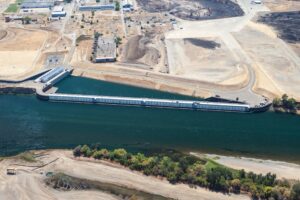
as 2026, forever changing the future of Maxwell, the unincorporated Colusa County town that will serve as the primary gateway for construction, access and utilization of the recreational areas. Courtesy photo
The proposed Sites Reservoir will be constructed 10 miles west of Maxwell with the unincorporated town being the primary gateway for construction, access, and utilization of the reservoir, Richie said.
“Construction is expected to occur over a five-to-six-year period and generally expected to be starting in 2026,” Richie said.
The timeline leaves Colusa County and Maxwell residents little time to implement the recommended policies of the plan, including the development of vacant parcels, while requiring development to include design and aesthetic characteristics that complement and enhance the existing community.
The plan, while supportive in nature of downtown businesses, a gateway park with a pet area and public restrooms, increased pedestrian/bicycle connectivity between residential areas and downtown, and new homes and businesses that stimulate the economy, the comprehensive document doesn’t come with any money for its implementation.
“Our hope is that it’s a combination of governmental efforts and market conditions,” Ritchie said. “I’m not coming in here saying we’ve found the dollars; what we’ve done is better position you to find dollars and get a sense on where dollars can and should be spent. I don’t have the magic grant wand.”
What Colusa County can do is prepare and implement general countywide design guidelines and minimum design standards for new residential and commercial development that provides for attractive growth and development, while reducing the cost of construction.
According to the plan, the county could consider amending its zoning code to allow rental housing units on commercial zoned property and mobile home parks and special occupancy parks on light industrial property.
The county is also exploring how to further streamline the permitting process for accessory dwelling units, which includes the development of a set of pre-approved budding permit plans for ADUs, Ritchie said.
“A lot of these are meant to be nudges in the right direction to help property owners and individuals have an easier path to doing things that will be beneficial,” Richie said.
While residents recognize that post-construction tourism could drive economic opportunities, some fear the high short-term demand for temporary housing could have lasting negative effects after the construction workers leave and trailer parks are left to fill with undesirable residents, similar to what occurred after the construction of the Oroville Dam.
“Temporary housing is a huge focus in this plan,” said Maxwell Unified School District Superintendent Summer Shadley. “It raises a lot of concern for me as a community member but also as the school district.”
Ritchie said the county could require a post construction requirement for the property owner to return temporary housing sites to their original state or natural condition other than leave Maxwell with an ocean of RVs and trailers.
“Workforce housing is not meant to transition into long term trailer parks,” he said. “The details of how these will be articulated will be in the county zoning code.”
A key aspect of the Maxwell Community Plan has emphasized community involvement. Colusa County has actively sought input from residents and businesses to ensure the 57-page document reflects the needs and aspirations of the community.
The Maxwell Community Plan also touches on key topics such as public utility infrastructure, community safety, housing and commercial development capacity, and community character.
At its peak, Sites Reservoir Authority expects to have as many as 1,000 workers a day constructing the large water storage facility in western Colusa County.
The Maxwell Community Plan is available for review online at countyofcolusaca.gov/1094/20313/Maxwell-Community-Plan.