

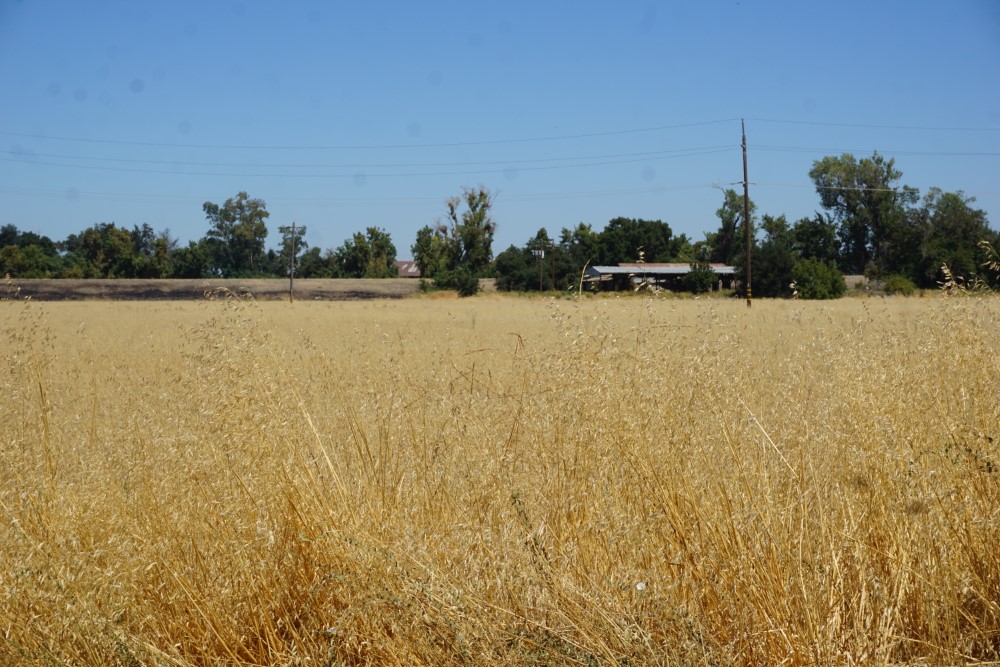
The Colusa Planning Commission on Aug. 24 approved a 40-year developer agreement with Mike Olivas, of Colusa Riverbend Estates, and Courtney Dubar that sets the financial terms for the Triple Crown Cannabis and Business Park proposed on East Clay Street.
The Planning Commission, following a 2.5 hour discussion on the controversial project, deadlocked 2-2 to approve the conditional use permit that would pave the way for construction of the facility, largely following complaints by citizens that general disclosure to the public was misleading about the project and the people involved.
The failed motion to approve the conditional use permit will allow the project proponents to appeal directly to the City Council, officials said.
The Triple Crown Cannabis Business Park has been in the works for a number of years, after Olivas dropped his plans to build houses to go into the marijuana business – at the request of City Manager Jesse Cain.
The proposed project would involve the construction of approximately 1.5 million sq.ft. of developed facilities, including energy-efficient greenhouses for marijuana cultivation, warehouse, multi-story office and research buildings, storage areas, and parking lots.
The Planning Commission’s continued hearings on the project have drawn many Colusa residents and neighbors who have not changed their views on any large construction at that location because they don’t believe the developers can successfully mitigate the negative impacts it would have on the environment and the community, and because the city allowed the project to change substantially from what was approved in 2019 without further environmental review.
The developer agreement requires Triple Crown to pay the City of Colusa $2.50 per square foot of developed space constructed, as long as they meet certain construction milestones laid out in the agreement.
“There are terms that if they don’t meet it (400,000 sq. ft.) then they get charged the same as everybody else, which is the (3) percentage rate on the amount of gross sales they report to the state,” said City Attorney Russ Hilderbrand.
The City Council will have final approval of the agreement.
Colusa resident Luke Steidlmayer said if cash is the draw for the City of Colusa to allow such a large marijuana project near residences – and the company is confident they will make a hundred million dollars over the course of four decades – then the project owners should give the money they will owe Colusa upfront for the city to build parks and meet other needs.
“Put the money you will give us in 10 years in now,” Steidlymayor said. “This is a 40-year term. Forty years is forever. If this is approved, it is going to change Colusa forever.”
Steidmayor, a local attorney, also represents Ben King, who has repeatedly expressed grave concerns about the project.
“Dedicating 34 acres to cannabis is much too large for the City of Colusa,” King said, in a written comment. “It is foreseeable that the project will not be completed for a variety of causes, such as lack of financing or another systemic economic event or geopolitical crisis affecting the source of potential foreign investor capital.”
King, like most of the project’s neighbors, said a three-acre cannabis project would be considered a reasonable risk to the general welfare of the city, but a project ten times that would have a devastating impact on the project area. He also said the project is no longer compatible with the times.
“It should be residential today,” King noted. “While there was compelling rationale to convert the project area from residential to light industrial zoning 10 years ago due to seepage concerns, it is clear the project area should be used for (lower density) housing – not a new industrial park. Since the pandemic, more and more people are looking to live in cities like Colusa, as they have access to technology to work remotely, and there is a definite need for more housing.”
Residents also voiced concern that adequate drainage and access to the property would only be possible if the company infringes on the rights of adjacent property owners, which should not be allowed without full analysis and environmental review.
Janice Bell, who represented Partnership to Preserve Community Integrity at the recent hearings and when the project was before the Planning Commission and City Council in 2019, said there are numerous concerns with the project that city officials have repeatedly ignored, including potential damage to the levee, building in an area soon to be remapped by FEMA as a special flood zone, impacts on law enforcement, animal control, emergency services, traffic, property values, noise, lights, odors, and morals.
“We have stated numerous times how cannabis development – and especially dispensaries – offends our morals,” Bell noted in the Partnership’s written comment. “Our values, pride in our community, and town are being disregarded. Even if the cannabis businesses in Colusa were to produce the revenue they were projected to, the exchange for money over citizens’ values, health, and safety is immoral in and of itself.”
The Planning Commission, while they approved the developer agreement, was split on whether to approve the conditional use permit, largely due to the City noticing the proceedings as an agreement with JAC Industries, which does not exist and has no legal standing as a fictitious business, the attorney and property owner confirmed.
Planning Commissioners Ryan Cordoniz and Ed Ducan voted not to grant the CUP; Commissioners Vicki Wiloh and Thomas Roach voted yes. Commissioner John Martin recused himself because of property ownership near the project site.
The City Council will have the final decision. ■